Every role in League of Legends isn’t just a different lane but it’s a completely different job, and picking the one that actually fits how you like to play will make the game feel a whole lot more fun (and way less like a constant struggle).
The best thing you can do early on is test every role, figure out what you like the most, and then commit. Constantly switching roles every few games slows your improvement. Once you pick a role and stick with it, everything starts making more sense: matchups, decisions, macro, even teamfights.
Let’s break down what each role actually does, who it’s for, and how to improve without overcomplicating things.
Top Lane
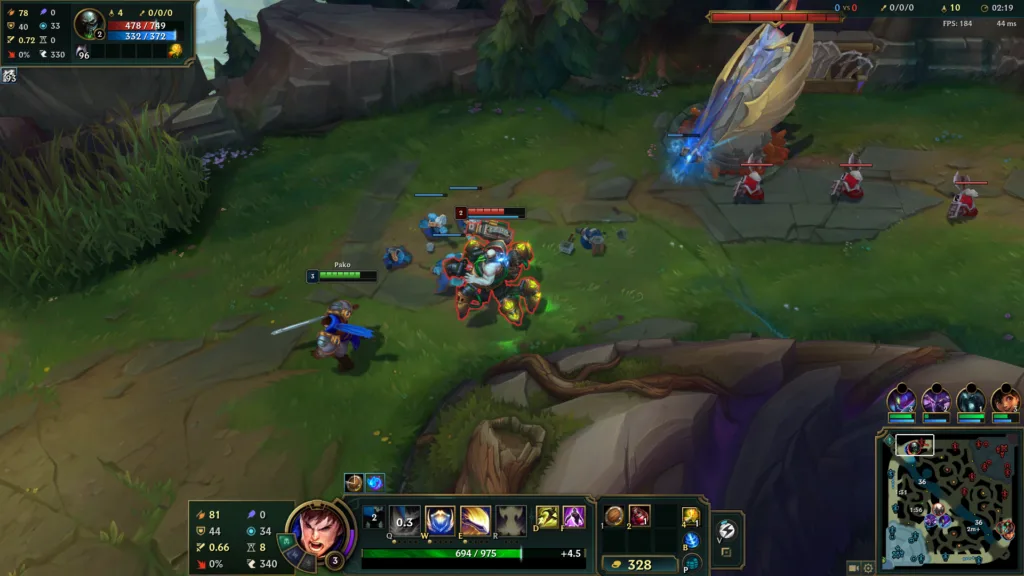
The top lane is its own little island. You’re often alone, you handle extended trades, split-push pressure, and you put yourself in situations where one mistake can snowball into a lane loss. The top lane usually is played by tank or bruiser champions. If you’re a split-pusher (a champion who pressures side lanes alone), you shove waves and threaten towers. If you’re a teamfighter, you use your engage or peel(use skills to protect your dmg dealers).
So here’s what you need to do as top laner:
- Control a side lane, win those 1v1s, and eventually become a frontline for your team or a split-push threat.
- Hold your lane so the rest of the map can operate safely.
- Utilize Teleport. It’s important to know when to use it properly so you can pressure elsewhere or join teamfights at key moments. Don’t use it as soon as the cooldown is available.
Beginner Champions (easy to learn):
You can always pick whatever champion you like the most but here are few champions that are most beginner friendly and easy to master:
- Garen (simple skillset, durable)
- Darius (clear snowball champion)
- Malphite (teamfight impact, easy ultimate to use)
Common Mistakes Top Laners Make
Making mistakes is part of the journey but it’s important that you learn from them. Here are some most common mistakes that you can watch out for in advance as a top laner:
- Overstaying after a bad trade aka trying to fight lost battles. Just get out of there, there’s no shame in running back.
- Losing vision and getting collapsed by the enemy jungler.
- Forcing 1v1 fights when your team needs you elsewhere.
How To Improve as a Top Laner
Besides learning all about your champion, here are a few major points that you can focus on and improve:
- Learn wave management (slow push vs reset).
- Map awareness — enemy location(mainly jungler) is key, that info decides whether to fight or back off.
- Practice TP timing: join for objectives or counter-split.
Late-Game Job
In the late-game when things really start to heat up you’ll need to be the frontline or split-push the side lanes. Depending on what the team needs from you, you’ll need to make a decision and act on it but don’t run alone the whole match and expect your team to win those 4v5 battles. When you do things properly and if you outscale the enemies you can even win those 1v9 situations.
Jungler
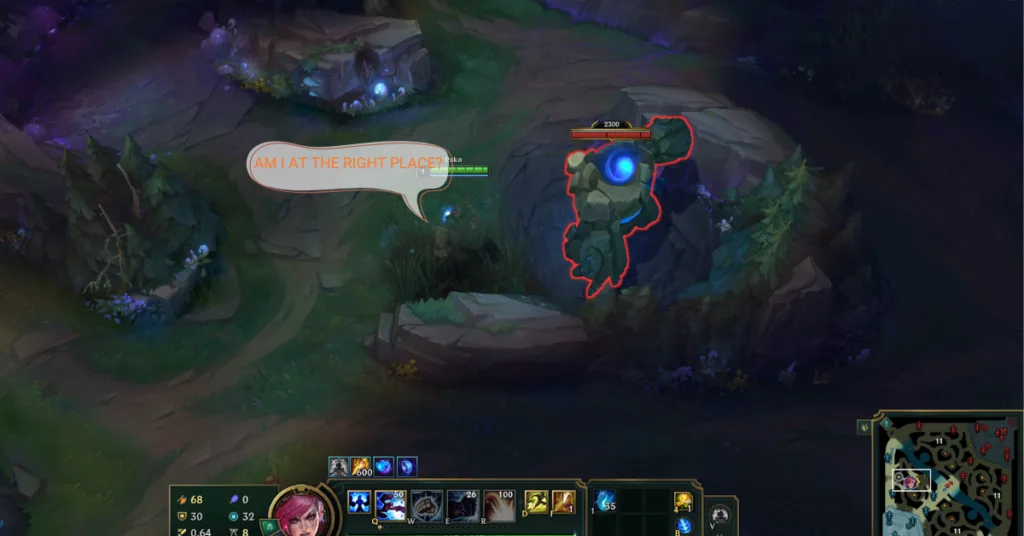
Jungling is about controlling the map and converting picks into objectives. You’re not farming for the sake of it, you’re farming with intent. Running around the jungle and constantly farming and actually having a mix of pathing efficiency, tempo control, and timely aggression is what sets pro junglers apart from beginners.
Here’s what you need to do as jungler:
- Secure objectives (Dragon, Herald, Baron).
- Create pressure with ganks or counterganks.
- Track enemy jungler and deny resources.
Beginner champions (easy to learn)
The pool of champions that are good for the jungle is vast. In most cases if you pick whatever you like, you can’t go wrong but here are champions that I feel like are most beginner friendly and can get you far if you give them time:
- Warwick (simple ganks, sustain)
- Vi (strong, good clear, decent ganks)
- Amumu (teamfight ult + straightforward clear)
Common Mistakes Junglers Make
On the journey to become a pro jungler that won’t be flamed by teammates (good luck with that) it’s important to pay attention to common mistakes that most junglers make:
- Overganking and falling behind in farm/Not ganking at all
- Ignoring vision; walking into traps.
- Not adapting pathing based on lanes/objectives.
How To Improve as a Jungler
You know what junglers do and what are most common mistake, here are few things that you can focus on that will surely improve your rank:
- Learn optimal jungle routes and clear speeds.
- Ping and communicate intended ganks.
- Practice objective control (smite timing, smite steals).
Late-game job
In the late-game as a jungler you’ll need to control vision around Baron/Dragon, force picks, and peel for carries. You’ll be able to clear things way faster which gives you more time to help teammates and secure those juicy game winning objectives.
Mid Lane
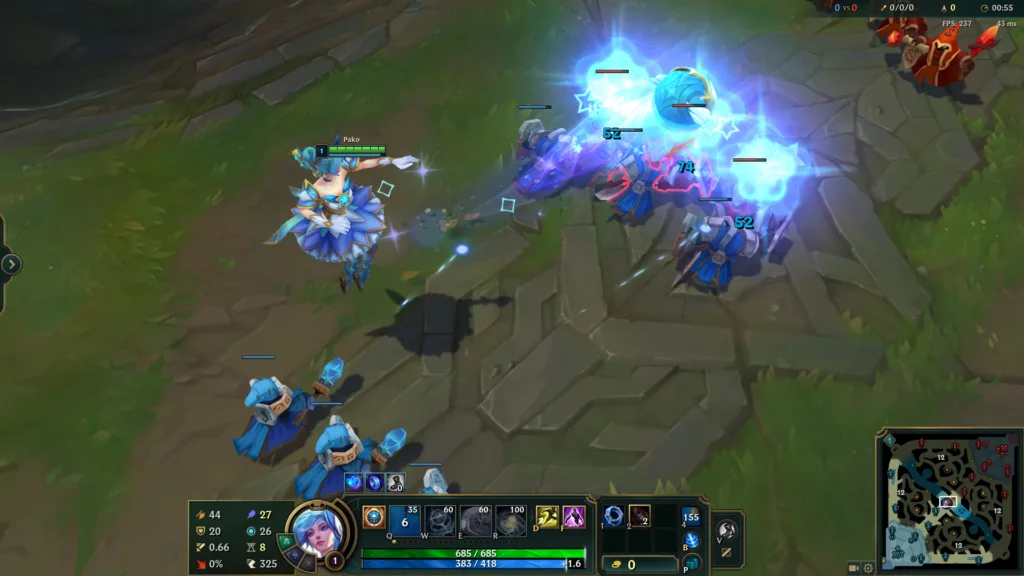
Mid controls tempo. You can rotate faster than anyone, influence side lanes, and often carry games through roaming or high damage. The mid lane is usually home for mages or roaming assassins depending on taste. To be fair though, on the scale of difficulty, assassins tend to be harder to master.
Being a mid-laner can be a challenging task. You can get ganked by both sides and most of the time you’re extremely squishy, especially early game. So it’s important to remember:
- Push mid, roam to side lanes, and control vision in the river and enemy jungle.
- Be a primary source of magic or burst damage and clear waves.
Beginner Champions (easy to learn)
I’ve started as a mid-laner and had so much fun testing different champs. Here are my top picks that are beginner friendly:
- Annie (Straightforward burst + reliable stun)
- Malzahar (Safe lane, simple roams)
- Orianna (Teamfight impact; moderate learning curve but strong)
- Mel (Easy cs, cooldowns are low but you’ll need to learn how to manage mana)
- Ahri(Movement, sustain )
Common Mistakes Most Mid-Laners Make
I’ve might have mentioned it above but here is are common mistakes that beginner mid-laners make:
- Roaming with no vision aka dying alone in a side lane.
- Overcommitting to a roam that loses mid tower.
- Ignoring wave pressure before roaming.
How To Improve as Mid-Laner
Grind never stops and so does your journey of becoming a great mid-laner. Here are few things that you can improve:
- Learn mid-push → roam windows (push, look for roam, be careful of bushes).
- Master trading patterns and matchup knowledge.
- Practice wave control so you can create safe roam opportunities.
Late-Game Job
When it comes to the late-game as mid-laner you want to pick targets, control mid vision, and either snowball side lanes or provide consistent damage in teamfights. Your damage will be high, burning their HP will be no issue. So pew pew, I guess.
ADC / Bot Carry
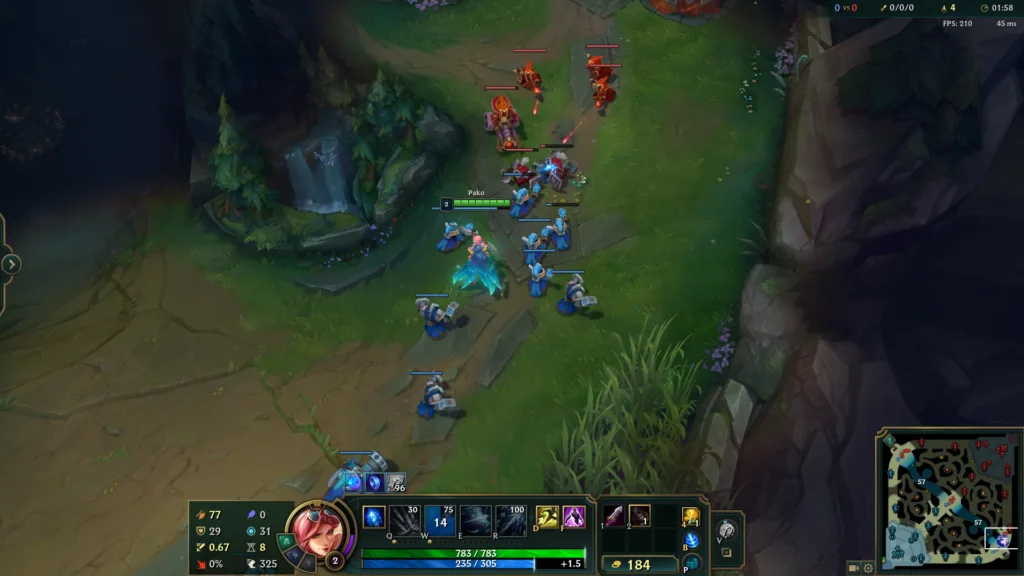
ADC is about consistent, sustained damage and positioning. You scale into the late game and are often the target everyone tries to shut down. So it’s important to focus on kiting(continuously move away from an enemy while simultaneously attacking them), auto-attack timing, and positioning.
Here’s what you do as ADC:
- Farm safely in lane, scale, and become the primary sustained damage source in fights.
- Position carefully; the team needs you alive.
Beginner Champions (easy to learn)
Whatever ADC you pick, you couldn’t go wrong. Most of them are good but some require more skill then the other. Here are great powerful ADC that are beginner friendly:
- Ashe (utility + easy to play)
- Miss Fortune (lane bully, simple mechanics)
- Caitlyn (long range, lane control)
Common Mistakes ADC Make
Making mistakes as ADC aren’t as forgiving as they’re for other roles. And with being a main first target in most cases, the window for making mistakes is much larger. So it’s important to remember to not do these things:
- Overextending without support.
- Poor positioning in teamfights (forward too far).
- Not understanding power spikes (item timings).
How To Improve as ADC
In order to become godly carry, you’ll need to improve a few things. Here’s what you should focus first:
- Practice CS under pressure. CS at 10 min is a core metric. In an ideal world, for starters you’d want to aim for 70+ CS at the 10 minutes mark. It all depends on a matchup but as long as you are ahead, that’s more important.
- Learn positioning: always know the nearest escape.
- Track enemy cooldowns for engagements.
Late-Game Job
In the late-game as ADC, you primary job is to deal damage, preferably from a safe range. You win fights by surviving and outputting consistent DPS.
Support
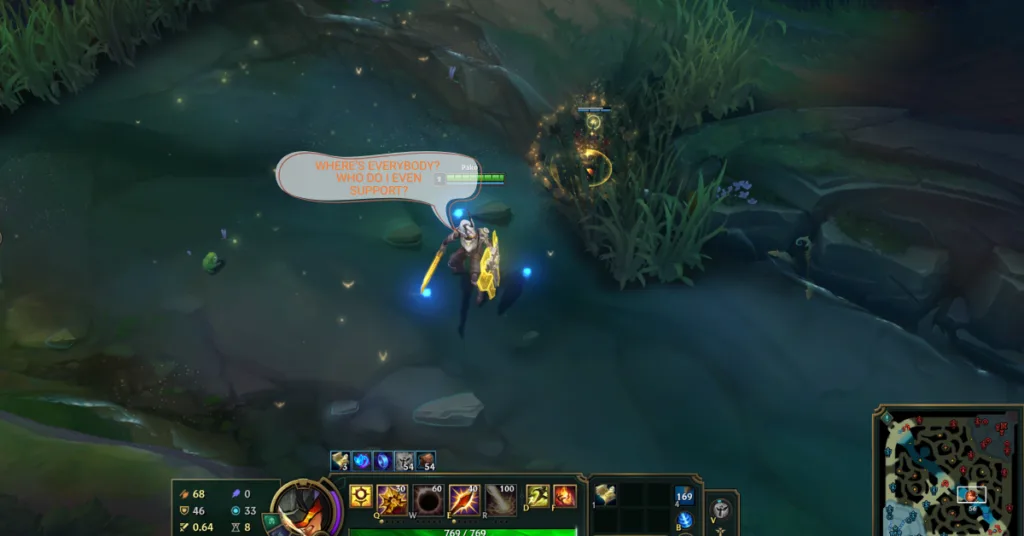
Support is about enabling your team. You set vision, start fights, peel for carries, and make space. It’s less about killing and more about making kills possible. Your choices create safety and opportunities.
It’s important to remember that a support job isn’t just to run along the ADC, there’s a lot more that you need to do. Here are main things to remember:
- Provide vision and map control.
- Protect carries, set engages, and control objectives with utility.
- Buy control wards; deny enemy vision aka destroy enemy wards.
Beginner Champions (easy to learn):
More than a third of available champions can be played as support. With such a high number, it can be confusing. Here are my top picks that are beginner friendly:
- Leona (hard engage, straightforward)
- Nautilus (engage + peel)
- Sona (poke + utility, low mechanical demand)
Common Mistakes Support Players Make
When talking about support jobs, you’ll notice me repeating one thing and I can’t stress the importance of it. Here most common mistakes newbie support make:
- Not buying control wards or wasting wards in bad spots.
- Engaging without follow-up or vision.
- Overstaying after failed engages.
How To Improve as Support Role
There’re tons of guides on how to play support but in the end it all comes down to experience. These are things that you should focus first:
- Learn ideal ward spots for objectives and common enemy paths.
- Master ability timing for engages and peels.
- Communicate cooldowns and timings to your team.
Late-Game Job
When the late-game begins you’ll want to step-up with vision control, protect carries, and secure/contest objectives with proper positioning and cooldown usage.
Conclusion
League of Legends gets much easier once you understand what your role is supposed to do and what it isn’t. You don’t need to carry every game, win every lane, or make flashy plays to climb. You need consistency, awareness, and a role that fits how you think.
Pick a role. Stick with it. Build a small champion pool. Improve one layer at a time.
That’s how real progress happens.
Now that you know everything about your role, you’ll need to know everything else, here are my thoughts on the League of Legends in 2026 and there you can find rest of material you need to improve.
FAQ
If you want to improve faster, main one role. Each role in League of Legends plays the game differently. Sticking to a single role helps you learn matchups, lane fundamentals, and macro decisions much faster. Switching roles every few games slows improvement and creates bad habits.
Yes, support is one of the best roles for climbing, especially in lower and mid ranks.
Supports impact games through vision control, engages, peeling carries, and objective setup. You don’t need high mechanics to carry games as support.
Yes. Simple champions are better for learning the game.
Beginner-friendly champions help you focus on positioning, wave control, and macro instead of mechanics. Once fundamentals are solid, learning harder champions becomes much easier.
Most players are stuck because of inconsistency, not lack of knowledge.
Improvement comes from reducing repeat mistakes, not playing perfectly once. Focus on fixing one issue at a time instead of everything at once.