If you’re new to League of Legends or returning after a long break, the game probably feels overwhelming. New champions arrive constantly, old ones either get buffed or nerfed, items change every season, and strategies that once worked suddenly don’t. It’s easy to feel like you’re doing everything wrong, even when you’re not.
The truth is simple: League has evolved.
This guide is meant to simplify things. Instead of dumping everything on you at once, I’ll try to explain how roles work, what wins games, and how to improve consistently without grinding all day or burning out. In the end if I just help one of you get better, I’ll consider it a win.
Understanding What Actually Wins Games
At its core, League of Legends is about destroying the enemy Nexus. In theory, that sounds simple: farm, buy items, push towers, win. In practice, most players get distracted by kills and fights that either don’t lead anywhere or they end up feeding the enemy.
Kills are not the objective. They’re tools that help you capture enemy Nexus easier.
What actually wins games is map control. Towers open the map, objectives create pressure, and pressure leads to winning fights on your terms. If a play doesn’t help you secure an objective, vision, or space on the map, it’s usually not worth the risk. Also, I’m not saying focus on tower only and ignore everything else.
You need to understand that League is about objectives first and fights second. Once you do, the game becomes much easier to read.
Towers → Objectives → Map Pressure → Nexus
Roles Explained (And How to Choose One)
Every role in League is a different responsibility, not just a different lane. The biggest mistake new players make is switching roles constantly. Testing everything at first is fine, but once you find a role you enjoy, sticking to it will help you improve much faster.
Top Lane
The top lane is isolated and unforgiving. You’re often alone, trading over long periods, and one mistake can snowball hard. Your job is to control a side lane, either by becoming a durable frontline for your team or by applying split-push pressure. In simple words, you’ll need to farm and get strong so you can protect the team.
Teleport is a huge part of top lane decision-making. Using it correctly to influence objectives or fights can win games, while wasting it can leave your team shorthanded. For example if your team really needs to secure a dragon, you’ll want to be there. After the first 15 minutes, trying to secure objectives will lead to teamfights most of the time, so make sure to count that into your decision making.
In the late game, you either anchor fights as a frontline or pressure side lanes to force enemies to respond.
Jungle
Jungle is about control and timing. You’re not farming just to farm, you’re farming to create pressure. Good junglers understand pathing, tempo, and when aggression actually makes sense.
Your decisions influence every lane. Securing dragons, Herald, and Baron matters more than forcing constant ganks. In the late game, jungle becomes about vision control, objective setup, and enabling your carries rather than chasing kills.
Mid Lane
Mid lane controls the pace of the game. Because you’re positioned in the center of the map, you can influence side lanes faster than anyone else. Your goal is to push waves, create roam windows, and apply pressure where it matters.
The mid lane is also dangerous mainly because you’re vulnerable to ganks from both sides, especially early on. Good mid players balance aggression with wave control, ensuring they don’t sacrifice their own tower just to force a roam. Later in the game, mid laners either pick key targets or provide consistent damage in teamfights.
ADC (Bot Carry)
ADC is about consistency and positioning. You scale into the late game and become one of the primary damage sources, which also makes you a priority target.
Your early goal is simple: farm safely and avoid unnecessary deaths. Teamfights are won by ADCs who stay alive long enough to deal damage, not by those who chase kills. In the late game, your positioning decides fights more than your mechanics ever will.
Support
Support is about enabling everyone else. Vision, engages, peel, and objective control are your responsibility. While you spend a lot of time with your ADC early on, your influence extends across the entire map.
Good supports think ahead. They control vision before objectives spawn, protect carries in fights, and only engage when follow-up is guaranteed. Late game support play often decides fights before they even start.
Laning Fundamentals
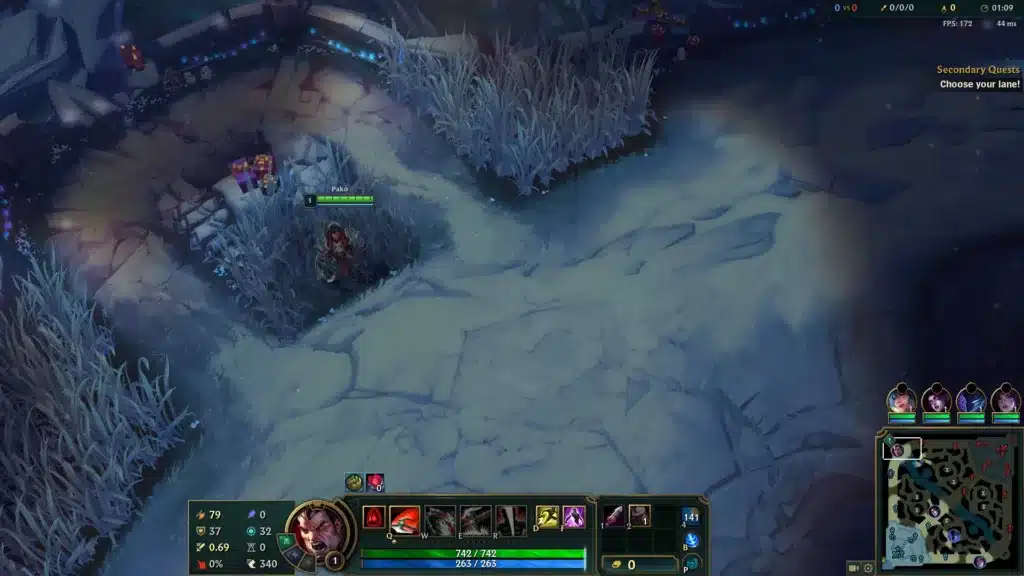
Before teamfights and objectives, League is decided in lane. The first 10 to 15 minutes shape everything that comes after. Good laning isn’t about flashy mechanics; it’s about farming well, taking smart trades, and resetting at the right time.
If you consistently come out of lane with more gold, more experience, or better wave states, you’ll win more games even without kills. This is what the beginners struggle with and most of the time overlooked but I can’t stress enough how important it is. So be a good lad and learn it properly.
Wave Management Basics
Wave control determines who can trade, who can roam, and who is vulnerable to ganks. A slow push builds pressure and can set up for recalls or dives. Freezing can keep the enemy stuck and denie resources. Fast pushing lets you move first and influence the map.
If you ignore wave management, you’ll constantly feel pressured without knowing why. Once you understand it, the game slows down and becomes more predictable.
Last-Hitting and Trading
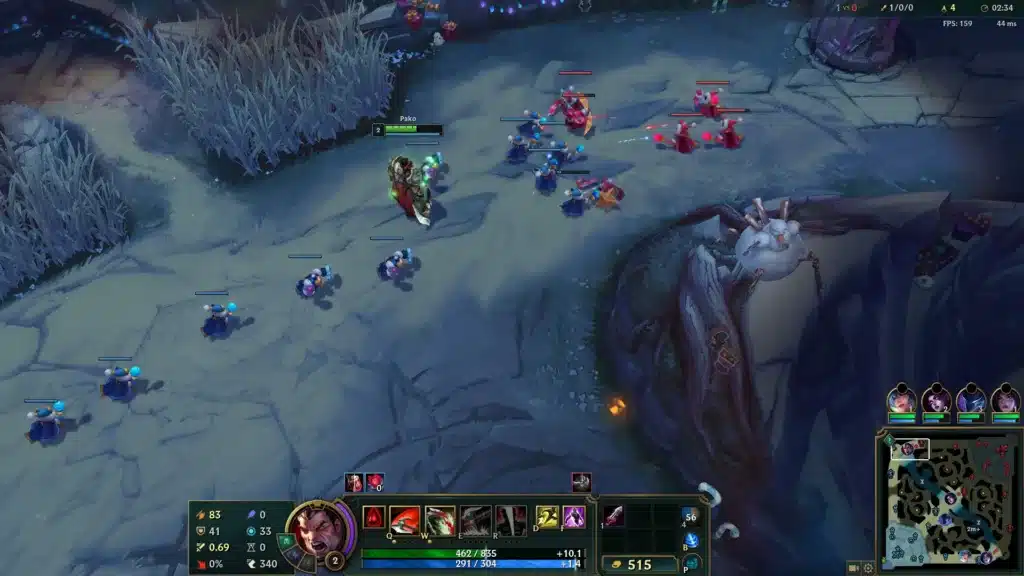
Last-hitting is one of the fastest ways to improve. If you can’t farm consistently, everything else becomes harder. Good CS gives gold, item spikes, and control over the lane without needing kills.
Trading works the same way. Good trades happen when the enemy can’t respond — when they’re locked into animations, down abilities, or fighting into your minion wave. Bad trades usually come from chasing too far, fighting in enemy waves, or ignoring level and item advantages.
Reset Timing
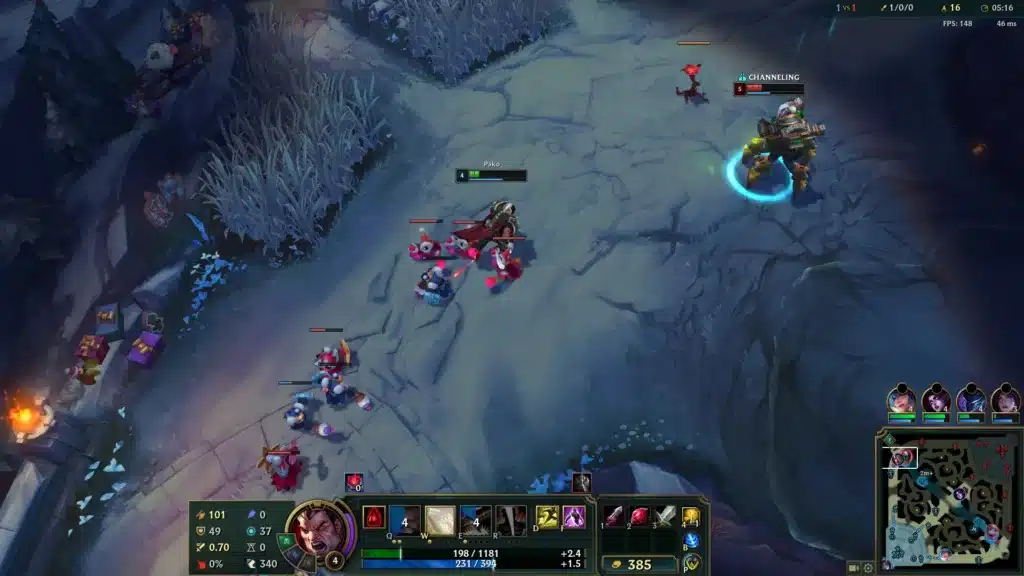
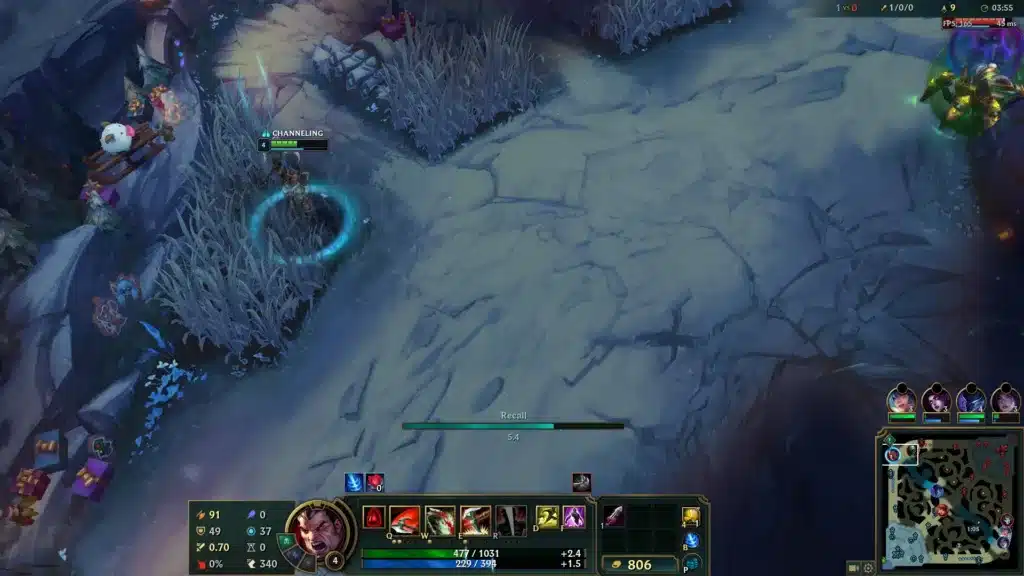
Knowing when to recall is an underrated skill. Good resets happen after you crash a wave, buy meaningful items, and return without losing pressure. Staying for “one more wave” is one of the most common ways players throw leads.
If you reset first, you control the pace. If you reset late, you’re reacting.
Playing Around Jungle Pressure
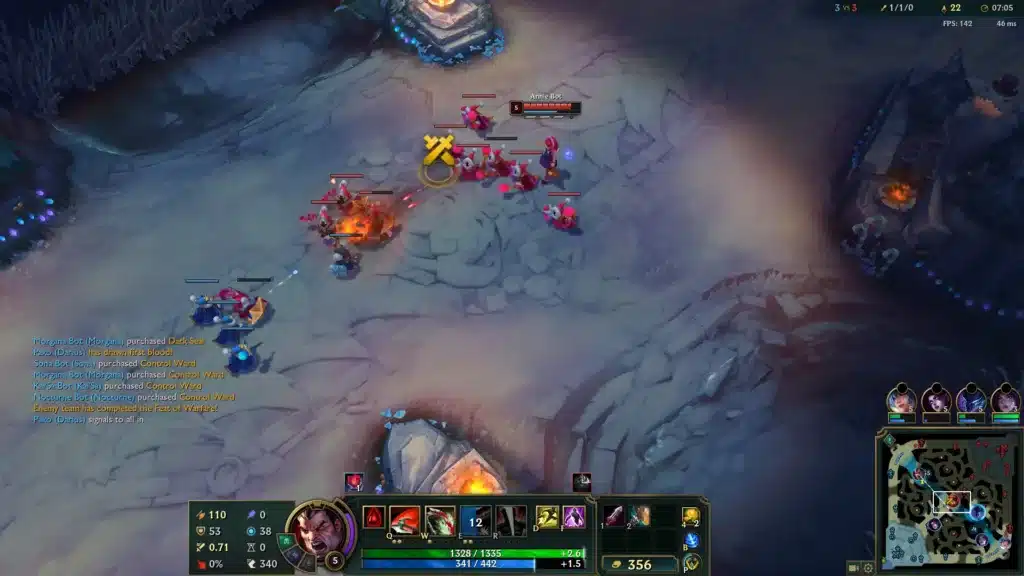
Jungle pressure isn’t random. Most early ganks happen within predictable time windows, and wave position plays a massive role in how safe you are.
If you don’t know where the enemy jungler is, play cautiously. If you do know, you can adjust your aggression accordingly. Just as important, remember to play around your own jungler. Setting up waves and saving crowd control can turn simple ganks into game-winning advantages.
Macro Fundamentals
Macro is about understanding where you should be and why. Towers, objectives, vision, and map pressure matter more than kills. Once the laning phase ends, standing mid and fighting over waves usually accomplishes nothing.
Good macro means pushing side lanes, preparing objectives before they spawn, and knowing when not to fight. Many games are won simply by avoiding bad fights and letting pressure do the work.
Items, Runes, and Builds
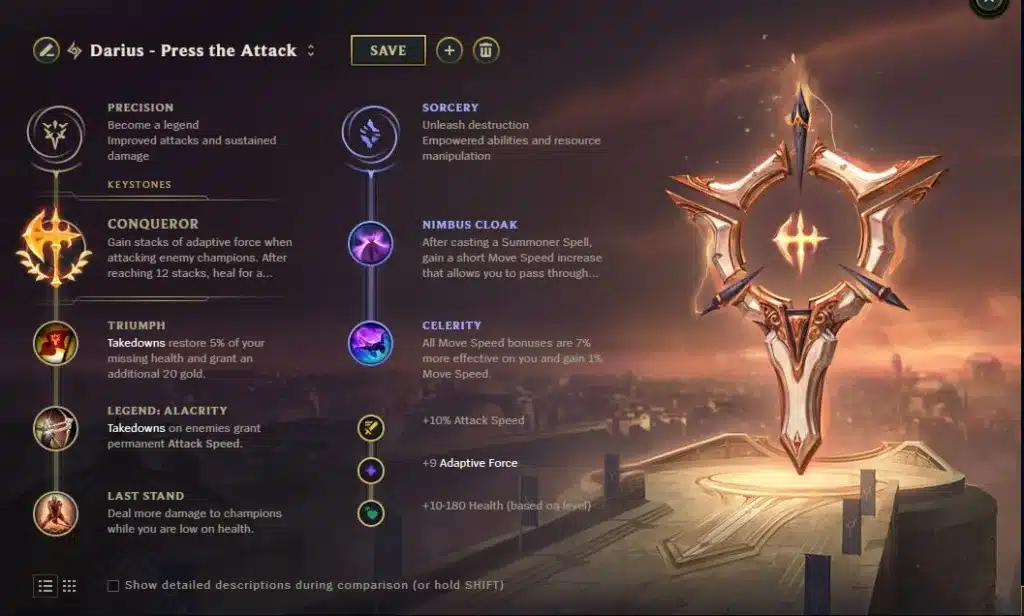
Builds matter, but not as much as players think. What matters most is understanding your role in the game. Two players on the same champion can build differently and both be correct.
Early item spikes are especially important. Runes should match how you want to trade and scale. Adapting to enemy team compositions often wins more games than blindly following meta builds.
Teamfighting Without Throwing
Most teamfights are lost because players forget their role. Positioning is more important than damage, and hitting the closest safe target is often better than diving for highlights.
Good teamfights are controlled. Cooldowns are tracked, disengages are respected, and players don’t overstay. Protecting carries is just as valuable as killing enemies.
Communication and Mental Game
Effective communication is about clarity, not volume. Pings convey information faster than chat, and emotional typing rarely helps. Muting when necessary is a skill, not a weakness.
Tilt is inevitable in League, but letting frustration dictate decisions is how games spiral out of control. The best players reset mentally after mistakes, focus on controllable goals, and know when to take breaks.
Tracking Improvement
Rank doesn’t always reflect improvement immediately. Tracking fundamentals like CS at 10, avoidable deaths, and reset quality gives a much clearer picture of progress.
Improvement shows up over multiple games, not single matches. If your fundamentals are getting better, LP will follow.
Final Thoughts
If there’s one takeaway from this guide, it’s this: consistency beats intensity. You don’t need to play perfectly. You need to play cleaner than you did before. Better wave control. Smarter resets. Fewer unnecessary deaths. Clearer communication. Calm decisions when things go wrong. None of these win games on their own but together, they win a lot of them.
Progress won’t always show up immediately in LP. Some weeks you’ll feel stuck. Some games will be unwinnable. That’s part of the system. What matters is that your fundamentals keep improving even when results lag behind. Rank always catches up to good habits eventually.
Finally, remember this is still a game. Try to enjoy it as much as you can and as long as you put effort in, you’ll make progress.

Pavle is the founder of PlayForge and its lead writer and reviewer, covering PC, PS5, and mobile games, a with a focus on RPGs, MMOs, FPS games, and more. He’s been gaming since the PS2 days and now writes in-depth reviews and guides to help players find their next obsession and get gaming insights from real players, not just critics. His reviews are honest and transparent, but he always tries to stay positive, because in his opinion, almost any game can be fun if you look at it the right way.
In his free time, he likes to (obviously) play more games, spend time with his family, theorycraft about various media with his wife, and watch anime. So yes, he’s a complete nerd, even if he’ll never admit it.